
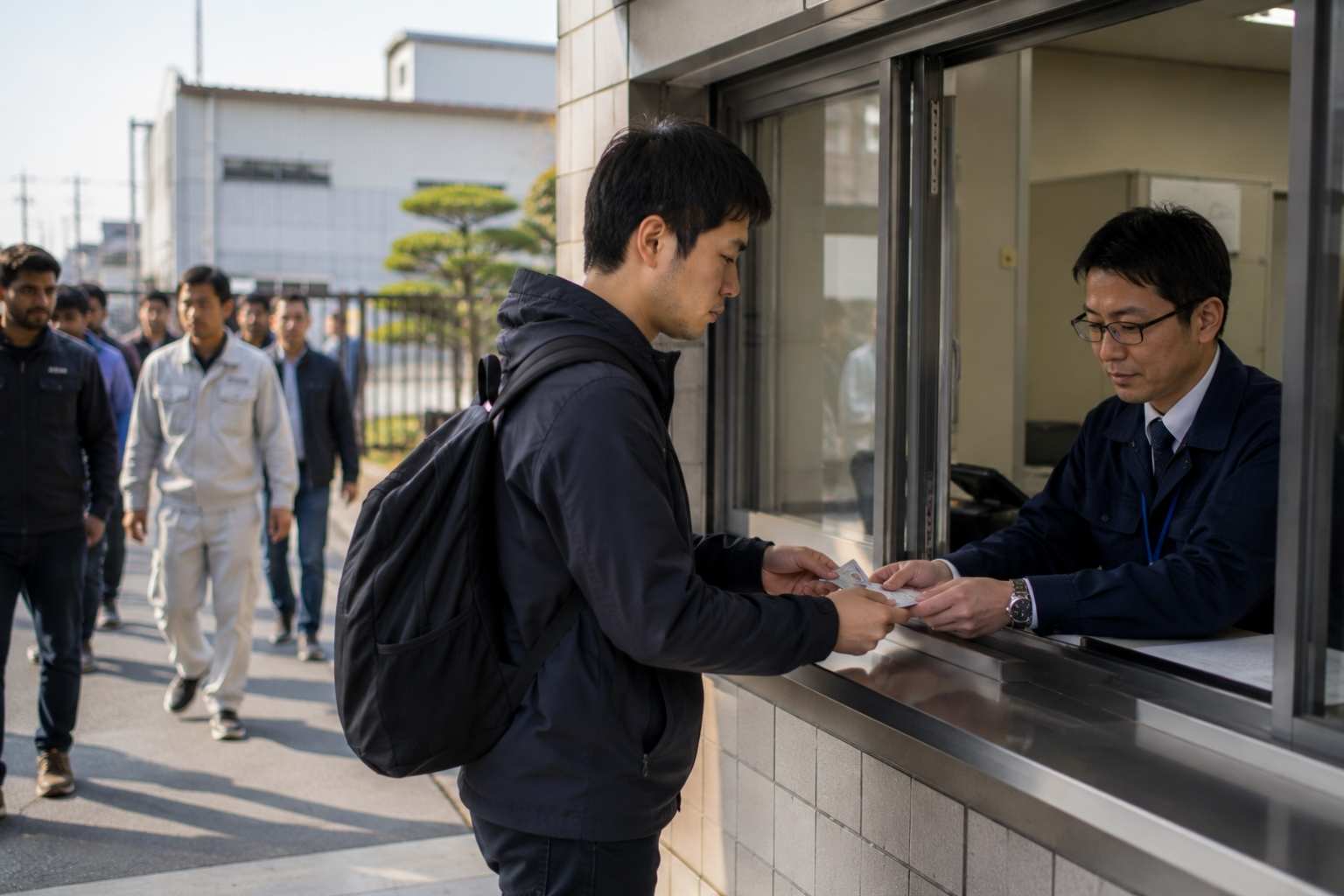
A new cash-reward system is about to begin in Ibaraki, and it is already dividing opinion.
Supporters call it tougher enforcement. Critics fear suspicion will spread far beyond illegal hiring itself.
The Ibaraki illegal employment reward system is set to start on May 11, with the prefecture offering ¥10,000 for information that leads to a police case against an employer accused of illegally hiring foreign workers. It affects businesses, foreign residents, and local communities being asked to submit identified reports. It matters now because the launch is days away and the policy is already raising concerns about profiling, mistrust, and how far local enforcement should go.
What Happened
According to Ibaraki Prefecture, the system is aimed at employers, not foreign individuals. The prefecture has said it will not accept anonymous reports, will only take information about businesses, and will verify reports before passing confirmed information to police.
The prefecture says it created the measure after other steps had only limited results. Official materials cite Immigration Services Agency data showing Ibaraki had the highest number of illegal workers connected to workplaces in Japan for a fourth straight year in 2024, at 3,452.
Who Is Affected
The direct target is employers suspected of illegal hiring. But the wider impact will likely be felt by legal foreign workers and residents too, because any high-visibility reporting system can change how neighborhoods and workplaces feel.
Reports on the prefecture’s April announcement said tipsters must provide their name, address, contact details, and a copy of photo ID such as a driver’s license. Those same reports said the ¥10,000 payment would follow when a tip leads to a police case.
Why the Ibaraki illegal employment reward matters
This is not just another administrative change. It pushes ordinary residents into the enforcement chain, even as the prefecture argues the design is meant to prevent anonymous harassment and reduce unfair backlash against law-abiding foreign workers.
Because Ibaraki already ranks highest on the prefecture’s cited illegal-work figures, the rollout will be watched closely beyond the prefecture itself. Whether it is seen as deterrence or as a social risk may shape how similar ideas are discussed elsewhere.
What To Know Now
For now, the key point is accuracy. The system is described by officials as a tool against businesses that hire illegally, not a bounty for reporting foreign-looking neighbors.
That said, the public argument is unlikely to stay narrow. Once money enters the reporting process, many people will question how easily enforcement can be separated from fear or bias.
Official Note
According to Ibaraki Prefecture, the reward system was created to strengthen action against illegal employment after earlier measures had limited effect. The prefecture says the reports must concern employers, not individuals, and that anonymous tips will not be accepted.
The goal may be enforcement, but the social reaction could become the bigger story.
Question for readers: Is this fair law enforcement, or does paying for tips risk pushing legal foreign residents into suspicion too?