
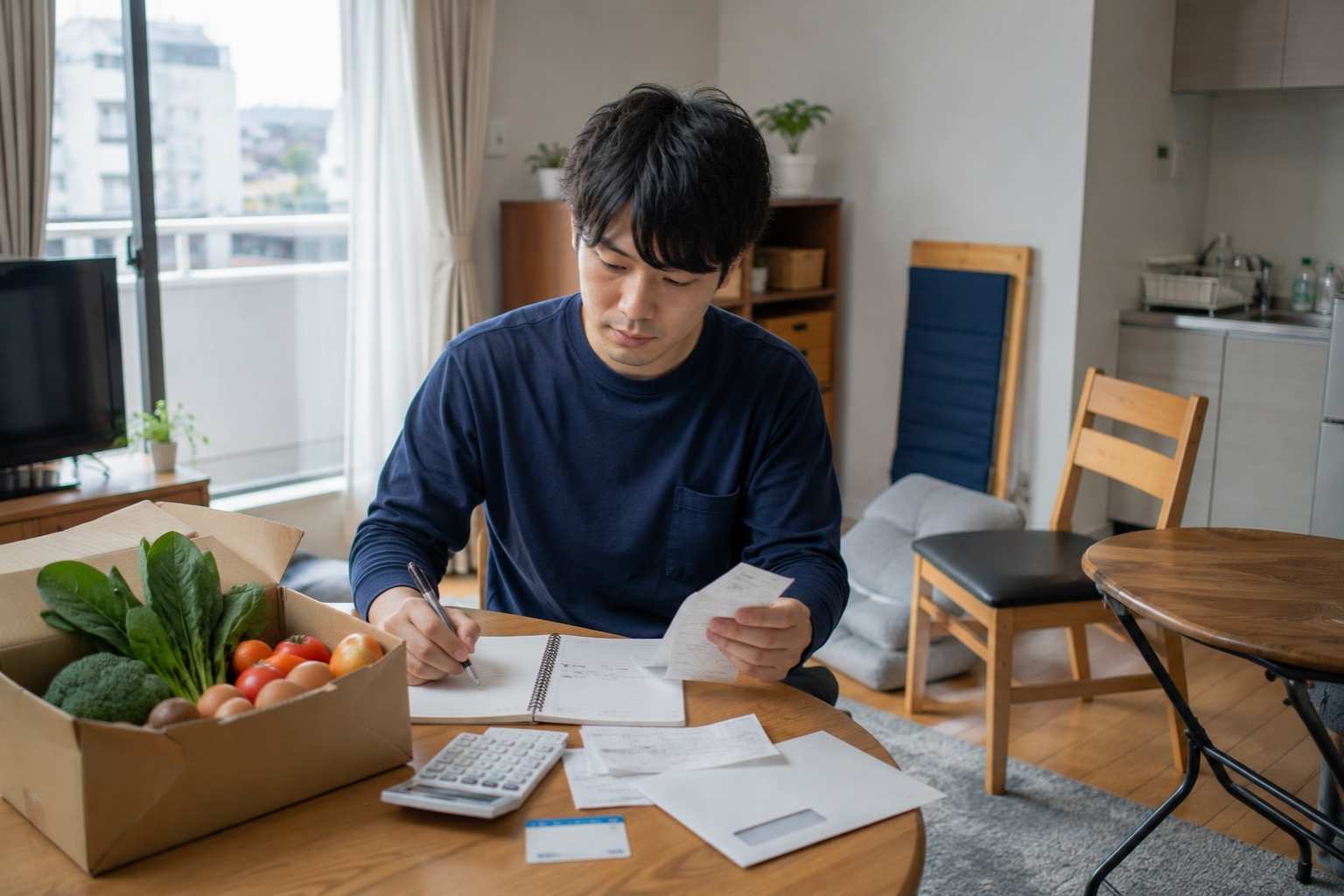
A practical guide to five money-saving systems that many residents overlook.
Built for people in Japan who need lower monthly costs without guessing.
This guide covers five hidden money-saving systems in Japan that can lower health, tax, repair, and household costs. It is for foreign residents, low-income workers, students, and families who want real monthly relief without wasting time. It matters now because many people keep paying full price simply because these systems are hiding in plain sight and are rarely explained clearly in English.
That is the real problem. The money leak is not always bad spending. Sometimes it is missing the systems that were already there.
Japan has a reputation for being expensive, organized, and full of rules. What many people miss is that it also has quiet systems that can reduce pressure if you know where to look. The gap is not always income. The gap is information.
This is why the topic gets saved so often. It is not about one coupon or one lucky trick. It is about knowing which systems can reduce overhead across health insurance, tax, medical bills, home repairs, and furniture.
Why This Guide Matters
Most people living in Japan spend a lot of energy trying to control the obvious costs. They watch rent, train fares, food, and utilities. That makes sense, but it also creates a blind spot.
The blind spot is this: many people keep focusing only on what they spend, while ignoring the systems that can lower what they are asked to pay in the first place. That is where this guide matters.
The five items in your raw details are valuable because they hit different parts of daily life. One can reduce National Health Insurance costs if your previous year’s income was low. One can turn tax into premium groceries and gifts for a fixed ¥2,000 fee. One can reduce the sting of big medical spending. Two more can cut household costs through low-cost repair work and near-free furniture.
That is not a small lifestyle tweak. That is the kind of information that changes how a month feels.
This guide also matters because the problem is not only money. It is access. Many foreign residents, students, and low-income workers never hear about these options clearly enough to act on them. So they assume the full price is just the normal price.
That is where people lose money without realizing it. They think they are being responsible because they are paying everything on time. But paying on time is not the same thing as paying the lowest realistic amount.
There is another reason this topic matters. These systems reward attention, not status. You do not need a high salary to benefit from all of them. In fact, some matter most when money is already tight.
That is why this works as a Living in Japan evergreen guide. It is practical, repeatable, and tied directly to real monthly pressure. People do not save this kind of article because it is interesting. They save it because they may need it fast.
What This Is and Who Needs It
This is a practical savings guide, not a miracle-money article. The point is not to promise that every person will qualify for every system. The point is to show where the hidden relief may be sitting so you can check it before another month disappears.
This guide is especially useful for:
- Foreign residents trying to cut monthly costs without cutting basic quality of life
- Low-income workers whose previous year’s income may affect current payments
- Students trying to reduce pressure without adding new debt
- Families looking for cheaper ways to handle home costs
- Anyone in Japan who keeps hearing about “good systems” but never gets the plain-English version
It is also useful for people who are already organized but still feel squeezed. That is often the most frustrating position. You budget, track spending, and avoid obvious waste, yet the month still feels tighter than it should.
That is exactly when these systems matter. They do not replace a budget. They make a budget work better.
The five systems in your raw details are also useful because they do not all solve the same problem. Some lower recurring costs. Some reduce the pain of necessary spending. Some replace expensive new purchases with cheaper local options.
That variety matters because people living in Japan do not all need help in the same place. One person needs health relief. Another needs tax efficiency. Another needs a chair, a shelf, or a repair without paying a premium.
A simple way to think about this guide is to split it into three buckets:
- Bill relief: NHI reduction and the medical expense deduction
- Tax value: Furusato Nozei
- Home savings: Silver Centers and city hall recycle centers
Once you see it that way, the guide becomes easier to use. You do not need all five at once. You only need the one or two that match the pressure points in your life right now.
Costs, Documents, or Setup Steps
The smartest way to use these systems is not random. Start with the ones that affect the biggest pressure in your current life: health costs, tax, or home setup.
1) National Health Insurance Reduction for Low Previous-Year Income
This is one of the most important items in your raw details because it can affect a recurring cost. If your previous year’s income was low, the key action is to check whether you can apply for an NHI reduction.
That matters because many people assume the bill they receive is fixed. But this is exactly the kind of hidden system that can change how much pressure health insurance adds to a month.
The practical setup is simple:
- Check whether your previous year’s income was low
- Look at your current NHI burden honestly
- Treat “reduction” as something to check, not something to assume you will be told about automatically
This is especially useful for students, low-income workers, and residents whose income was not high in the previous year. The real mistake here is not checking.
2) Furusato Nozei for Premium Groceries and Gifts
This is the money-saving system many people hear about but never use properly. Your raw details frame it clearly: Furusato Nozei can get you premium groceries and gifts for a fixed ¥2,000 fee.
That is why it belongs in a hidden discounts guide. The value is not just symbolic. It can change how you think about everyday spending, especially if the return is something you would actually use.
The practical setup is:
- Treat Furusato Nozei as a planned system, not an impulse decision
- Focus on whether premium groceries and gifts would reduce spending you were already going to do
- Remember the fixed ¥2,000 fee so you are judging the value correctly
The biggest mistake here is using it without a plan. The smartest use is when the return fits your real household needs.
3) Medical Expense Deduction for Annual Health Costs Over ¥100,000
This is one of the clearest thresholds in your raw details, which makes it powerful. If annual health costs exceed ¥100,000, the Medical Expense Deduction, or Iryohi Kojo, becomes something you need to look at seriously.
That matters because medical costs can feel like isolated hits when they happen. But once the annual total crosses that line, the situation changes.
A practical way to approach it is:
- Watch annual health spending as a total, not only one bill at a time
- Notice when your costs are moving toward or past ¥100,000
- Stop treating medical spending as disconnected events if the yearly total is already heavy
This system is especially useful for families, people with repeated medical visits, and anyone whose “small” medical expenses quietly become a large annual number.
4) Silver Centers for Cheap Repairs and Odd Jobs
This is one of the most practical home-cost systems in the whole list. Your raw details say Silver Centers can provide ultra-cheap home repairs and odd jobs by local retirees.
That matters because small home tasks become expensive very fast when you default to the first paid option you can find. Not every problem needs a high-cost fix.
Silver Centers are useful when you need:
- Small household repairs
- Light odd jobs
- A more affordable option than standard premium-rate help
The hidden value here is not glamour. It is cost control. This is the kind of system that can save money precisely because it solves boring real-life problems.
5) City Hall Recycle Centers for Free or Near-Free Furniture
This is one of the strongest hidden systems for anyone setting up or refreshing a home. According to your raw details, local city hall recycle centers can be a source of high-quality furniture for free or near-free.
That matters because furniture is one of the easiest places to overspend, especially when you need several items at once. People often treat furniture as a one-time hit, but a few rushed purchases can damage a budget badly.
A better setup is:
- Check recycle-center options before buying new
- Treat “used” as a savings move, not an automatic downgrade
- Focus on high-cost items first, since that is where near-free options matter most
This is especially useful for students, new residents, families, and anyone moving into a new place who wants function without a major upfront hit.
Common Mistakes and Practical Tips
The biggest mistake is assuming these systems are automatic. They are not useful just because they exist. They are useful when you know they exist and check whether they fit your situation.
Another common mistake is looking only for dramatic savings. People often ignore systems that save smaller amounts across different parts of life. But real monthly relief is often built from several modest wins, not one huge breakthrough.
A third mistake is using the wrong system for the wrong problem. Someone worried about grocery pressure may get more value from Furusato Nozei. Someone getting crushed by household setup costs may get more value from recycle centers and Silver Centers.
These practical tips help:
- Start with the biggest pain point in your monthly life
- Do not try to use all five systems at once if one or two already solve the main problem
- Track health costs over the whole year, not only when a bill hurts
- Check whether previous-year income changes what you can reduce now
- Treat cheap repairs and near-free furniture as strategic choices, not last-resort choices
It also helps to stop thinking in isolated categories. Health, tax, and home costs affect each other. If you reduce one of them, the rest of the budget becomes easier to manage.
That is why the “hidden discounts” angle works. These are not always simple discounts in the usual retail sense. Some are reductions. Some are tax-value systems. Some are local-cost alternatives. But they all push in the same direction: lower overhead.
Another mistake is assuming that if something is good, it will be widely explained in English. That is often not how daily life in Japan works. Useful systems can still stay quiet, local, or easy to miss.
That means the practical skill here is not just budgeting. It is information-hunting. People who know where the hidden systems are can stretch the same income further than people who only react to bills after they arrive.
A strong way to think about these five items is this:
- NHI reduction lowers pressure from a regular payment
- Furusato Nozei turns tax into useful household value
- Medical Expense Deduction changes how you think about annual health costs
- Silver Centers cut labor costs for basic home needs
- Recycle Centers cut setup costs without forcing you into expensive new furniture
That is a serious difference in how money moves through a home. The savings are not only about paying less. They are about paying smarter.
What To Do Next
The best next move is not reading this guide and then forgetting it. The best next move is checking which one of the five systems can help you first.
Start with a quick priority order.
If health costs are heavy, check the two health-related items first:
- NHI reduction if your previous year’s income was low
- Medical Expense Deduction if annual costs exceed ¥100,000
If household costs are rising, move to the home items:
- Silver Centers for cheap repairs and odd jobs
- City hall recycle centers for furniture before you buy new
If you want better value from money already leaving your pocket, check Furusato Nozei and judge it by whether the premium groceries and gifts would replace things you already spend on.
A practical action list looks like this:
- Review whether your previous year’s income may make NHI reduction relevant
- Look at your annual medical costs as a single total
- Decide if Furusato Nozei fits your real household spending
- Check whether you have any small home jobs that do not need premium-cost labor
- Check recycle-center options before paying full price for furniture
The important thing is speed. Hidden systems only help after you act on them. Waiting too long often means paying another month at full pressure.
This is also where many people make the shift from feeling stuck to feeling more in control. They realize the issue was not always that Japan was simply too expensive. Sometimes the issue was that they were paying the visible price without knowing the quieter alternatives.
That is why this guide is worth saving. It is not built around theory. It is built around five clear places where money can stop leaking so easily.
Official Note
This guide is based on the five savings systems listed above: NHI reduction for low previous-year income, Furusato Nozei for premium groceries and gifts with a fixed ¥2,000 fee, the Medical Expense Deduction for annual health costs exceeding ¥100,000, Silver Centers for low-cost repairs and odd jobs, and local city hall recycle centers for free or near-free furniture. Access and fit depend on your own income, annual costs, and local service options.
The easiest way to overpay in Japan is not always bad budgeting. Sometimes it is simply missing the systems that were quietly sitting there the whole time.
Question for readers: Which of these hidden money-saving systems in Japan saved you the most, or which one are you checking first after reading this?