
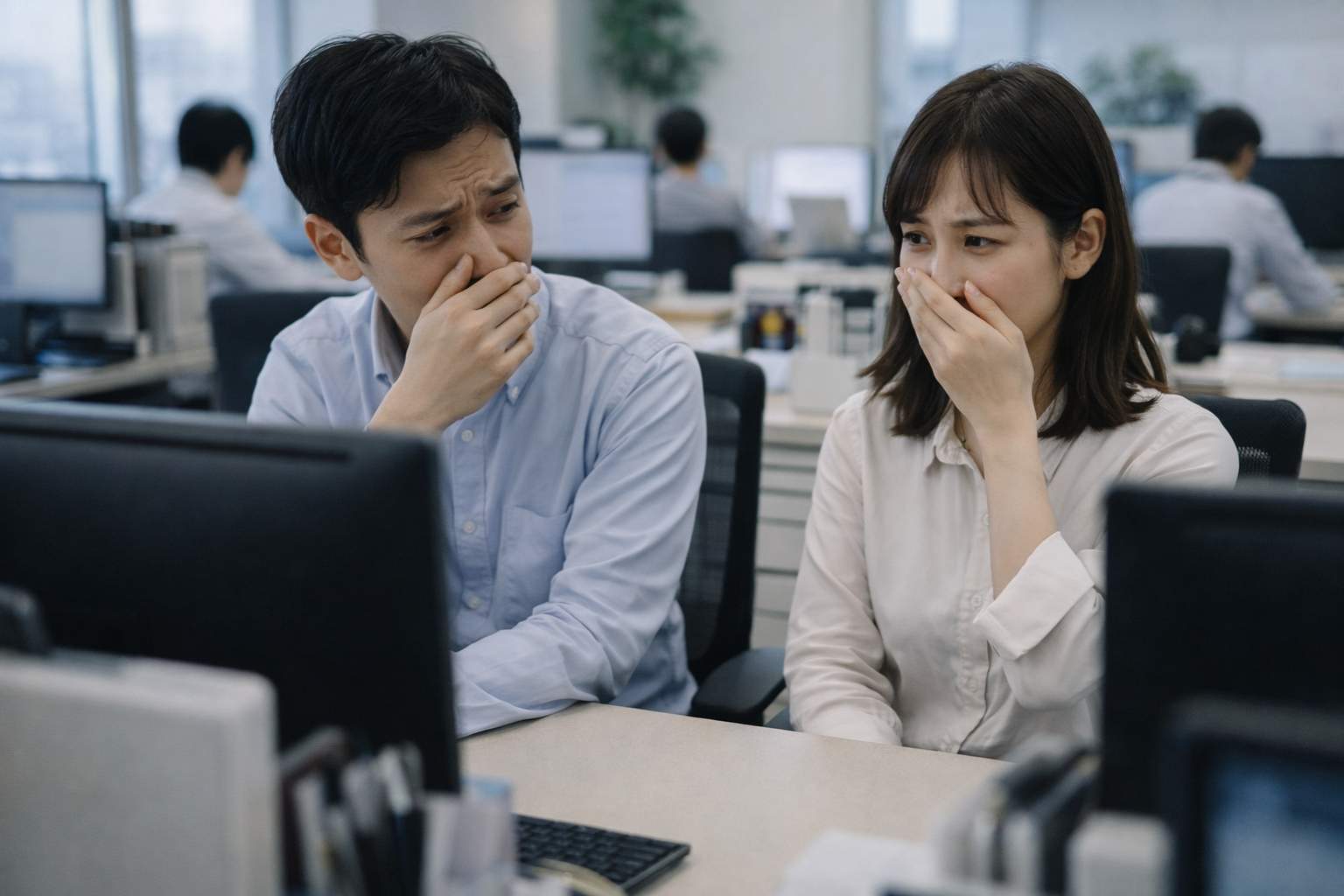
A scent that feels normal to one person can reportedly become a workplace problem in Japan. In some offices, strong perfume, cologne, or even “clean” fragrances may be treated as disruptive in shared space.
According to the provided materials, smell harassment in Japan workplaces is taken seriously enough that employees may be quietly warned or reported if their scent feels too strong. That affects office workers, job seekers, and foreigners adjusting to Japanese work culture. It matters now because what feels like a personal choice elsewhere can reportedly become a professional issue in crowded offices and on packed trains.
At first glance, the idea sounds excessive. But the materials frame it less as control over someone’s body and more as an attempt to protect shared space where people work in close proximity for long hours.
Smell Harassment in Japan Workplaces: What Happened
The provided details describe “smell harassment” as a real workplace concern in Japan, especially in office settings. The issue is not limited to body odor alone. Strong perfume, cologne, and even scents intended to smell fresh or clean may reportedly be seen as too intense.
That distinction matters. The problem, according to the materials, is not always whether a scent is pleasant, but whether it becomes unavoidable for other people nearby.
The workplace context is also important. In crowded environments, including packed trains and tightly shared offices, smell travels fast and can linger. What feels mild to one person may feel overwhelming to someone sitting beside them all day.
The materials also suggest that some managers may deal with it quietly rather than publicly. Instead of formal confrontation, an employee may simply be told to fix the issue.
Who Is Affected
This is most relevant for people working closely with others in indoor shared environments. That includes both Japanese workers and foreigners, but it may feel especially surprising to people coming from places where fragrance is treated more as a personal style choice.
The groups most likely to feel the impact include:
- Office workers in shared desk environments
- Employees who commute on packed trains before and after work
- Foreign professionals new to Japanese workplace expectations
- Job seekers trying to avoid avoidable etiquette mistakes
- Workers who use strong perfume, cologne, or scented products daily
For foreigners in particular, the tension is obvious. The materials suggest many people understand the logic once they experience crowded commuting conditions, but still feel uncomfortable with how personal the issue becomes.
Why This Matters for Workers
This is not just about fragrance. It is about how Japanese workplaces often define consideration in shared space.
In many countries, scent is seen as part of self-expression, hygiene, or confidence. In Japan, the provided materials suggest the standard can shift toward minimizing anything that places a burden on others in a tight environment. That is why the same perfume that feels polished in one office may feel inappropriate in another.
For workers, the practical risk is simple:
- A scent choice can affect how colleagues experience working near you
- A manager may see it as an etiquette issue, not a private habit
- Repeated complaints could affect comfort, team dynamics, or professional impressions
- Foreign workers may misread the issue as personal criticism when it is really about shared-space norms
This is also why the conversation feels so sensitive. On one side, it can look like a reasonable effort to protect crowded public and office environments. On the other, it can feel like a line has been crossed when coworkers or managers comment on something so personal.
What To Know Now
If you work in Japan or plan to, the safest takeaway is not panic. It is awareness.
The provided materials do not suggest that every scent will cause a problem. But they do suggest that strong or lingering fragrance may draw attention faster than many foreigners expect.
A practical approach would be:
- Use less perfume or cologne than you normally would
- Avoid reapplying fragrance before commuting or entering the office
- Be careful with strongly scented hair, body, or fabric products
- Pay attention if a manager raises the issue quietly
- Treat it as a workplace etiquette matter, not automatically as a personal attack
The train example in the materials helps explain the logic. In a packed, enclosed space, even a scent marketed as light or clean can become intense. That same thinking can carry into open-plan offices, meeting rooms, elevators, and shared break areas.
For readers trying to understand smell harassment in Japan workplaces, the key point is cultural rather than legalistic. The issue appears to sit at the intersection of manners, shared-space comfort, and professional expectations.
Official Note
According to the provided materials, “smell harassment” is treated seriously in some Japanese workplaces, particularly where strong scent affects others in shared indoor environments. Because company culture and enforcement may vary, this article should be read as general workplace guidance based on the supplied details, not as legal advice or a statement of one universal rule across all employers.
That is what makes the issue so striking. It sounds extreme at first, but in a country where crowded public and work spaces are part of daily life, even something as personal as scent can reportedly become part of workplace etiquette.
Question for readers: Do you think workers should actively control their scent for everyone around them, or does that go too far into personal space?