
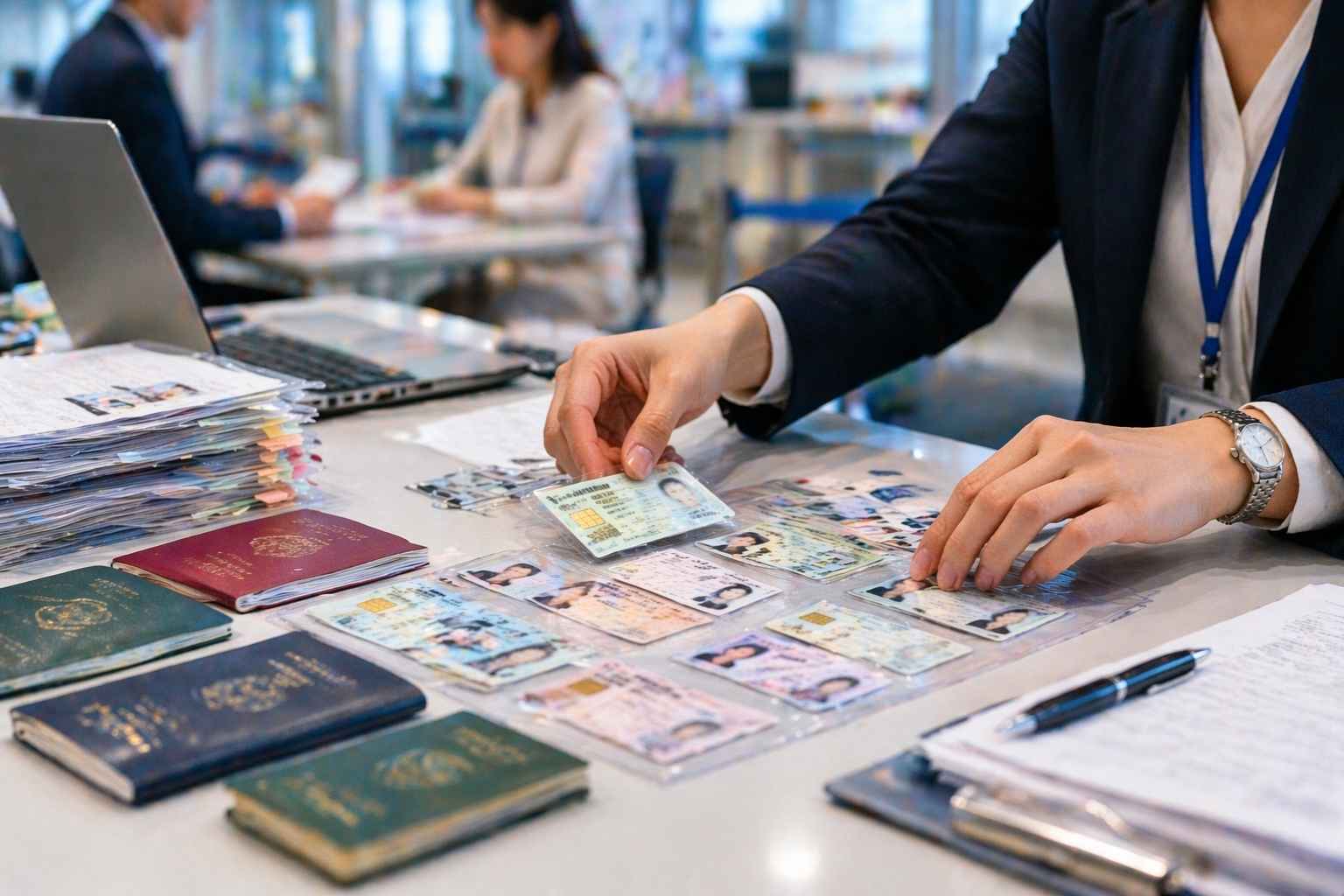
New fee guidance is raising concern among foreign residents planning to stay long term.
What used to feel like routine paperwork could soon become a much heavier financial step.
The Japan residency fee increase now being discussed would reportedly push one-year residence permits to around ¥30,000, three-year permits to about ¥60,000, five-year permits to about ¥70,000, and permanent residency to around ¥200,000. That would directly affect foreign residents across Japan, especially people managing renewals, settlement plans, family decisions, or permanent residency timing. It matters now because the Immigration Services Agency shared new guidance during a House of Representatives Judicial Committee discussion on April 17, while the government is already moving a broader legal revision that would allow sharply higher fee ceilings.
According to official ministry materials, the legal structure being revised would raise the statutory upper limit for status-change and renewal fees from today’s framework to as high as ¥100,000, and the ceiling for permanent residency permission fees to as high as ¥300,000. The exact final amounts would still be set later by cabinet order rather than fixed directly in the law itself.
Japan Residency Fee Increase: What Changed
The biggest shift is that Japan is no longer talking about small administrative adjustments. It is preparing a system that can charge much more depending on the type of residence procedure and, reportedly, the length of stay involved.
Reported figures discussed around the latest committee guidance include:
- One-year residence permit: around ¥30,000
- Three-year residence permit: about ¥60,000
- Five-year residence permit: about ¥70,000
- Permanent residency: around ¥200,000
Those figures are not yet the final legally binding fees. But they fit within the new official direction already outlined by the Justice Ministry and Immigration Services Agency, which would allow much higher charges once cabinet order sets the detailed amounts.
Officials have said the change is tied to rising administrative costs and to fee levels in other countries. In a March 10 press conference summary, the Justice Ministry said the higher upper limits were intended to help cover the costs needed for fair immigration and residency management measures.
Who Is Affected
This is mainly a foreign resident issue, not a short-term tourism story. The people most likely to feel the impact are those renewing work-related status, managing family-based residency, or preparing a permanent residency application over the next fiscal cycle.
In practical terms, the proposed direction could affect:
- Workers renewing one-year, three-year, or five-year periods of stay
- Families budgeting around multiple applications
- Long-term residents planning when to apply for permanent residency
- Employers supporting foreign staff through renewals
- Residents comparing Japan’s long-term costs with other options
For applicants already dealing with housing, childcare, school costs, or weaker wage growth, the increase would not feel like a simple paperwork charge. It would become part of a broader stay-or-leave calculation.
Old Rule vs New Rule
Current official fees are still much lower than the amounts now being discussed. From April 1, 2025, the official fee for permission to change status of residence or renew a period of stay was set at ¥6,000 at the service counter, while permanent residency permission remained ¥10,000.
Old rule:
- Residence status change or renewal: ¥6,000 at the counter
- Permanent residency: ¥10,000
New direction reportedly under discussion:
- One-year permit: around ¥30,000
- Three-year permit: about ¥60,000
- Five-year permit: about ¥70,000
- Permanent residency: around ¥200,000
The legal ceiling behind that new direction is even higher. Official explanatory materials say the maximum could be lifted to ¥100,000 for status changes and renewals, and to ¥300,000 for permanent residency, with the exact figures to be decided later.
What Applicants Should Know Now
The most important point is that the headline numbers being shared are still reported guide figures, not the final cabinet-order schedule. That means applicants should treat them as serious policy direction, but not as settled fee law yet.
Applicants should keep these points in mind:
- The government has already approved a bill to raise fee ceilings
- The final detailed fee schedule is still expected later by cabinet order
- The rollout has been discussed for fiscal 2026
- Permanent residency appears to be one of the biggest pressure points
- The likely burden rises sharply for longer-term permits and settlement planning
Some reported government estimates cited in public discussion have suggested the revised fee system could generate roughly ¥69 billion to ¥92 billion a year by fiscal 2027. That helps explain why many residents see this not just as an administrative revision, but as a major policy shift with real financial consequences.
For many foreign residents, the issue is no longer only whether their application will be approved. It is also whether the cost of maintaining legal status in Japan is becoming materially harder to absorb.
Official Note
According to official Ministry of Justice and Immigration Services Agency materials, the government has moved to raise the legal upper limits on residency-related fees, citing administrative costs and comparisons with foreign countries. Current official fees remain far below the reported new figures, and the exact final amounts are still expected to be set later through cabinet order.
That distinction matters. The final price list is not fixed yet, but the overall direction is already clear enough that foreign residents, families, and employers may want to start paying closer attention now.
Information in this article is based on reports and official guidelines available at the time of publication and is for general informational purposes only. Japanese policies, prices, and event details change frequently. Always verify directly with official sources or licensed professionals before making travel, financial, or legal decisions.
Question for readers: If these reported fee levels go ahead, would they change your long-term plans for staying in Japan?