
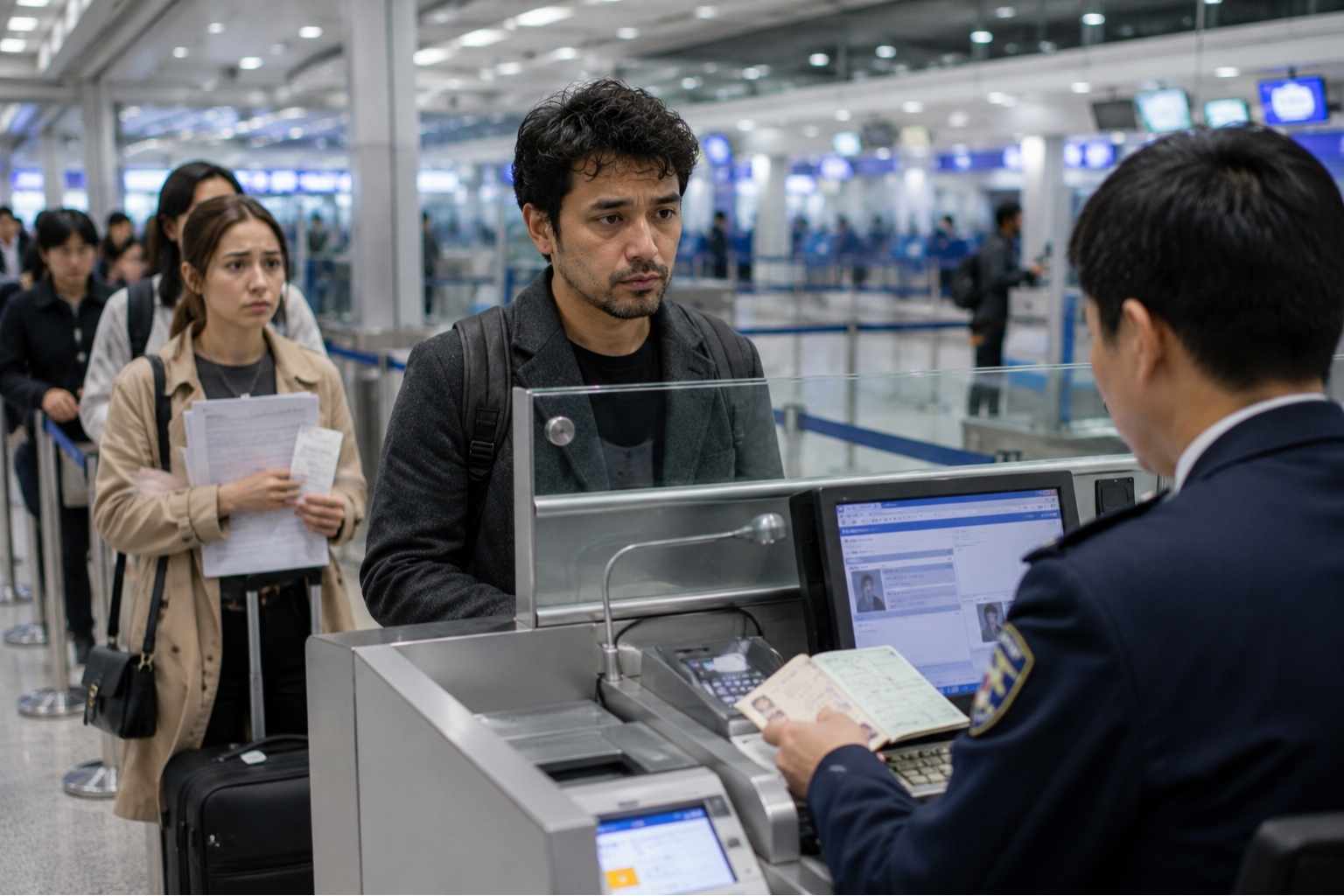
Japan is preparing much stricter screening over unpaid medical bills, and the amount under discussion is far lower than before. Foreign tourists would be hit first, while broader checks on longer-term residents are also being considered. That matters now because the trigger being discussed is just ¥10,000, turning a small forgotten bill into a possible immigration problem.
The Japan unpaid medical bills rule is getting attention because the government is reportedly moving to lower the debt threshold used for tougher entry screening from ¥200,000 to ¥10,000 from April 2026. Officials are also weighing stricter checks tied to unpaid medical charges as part of a broader foreign-national policy push.
What Happened
According to official policy documents, Japan has already said it will tighten immigration control for foreign tourists with a record of unpaid medical charges. The same document says the government will also consider stricter Certificate of Eligibility screening for mid- to long-term residents with unpaid medical charges.
Media reports say the health ministry planned to lower the registration threshold from ¥200,000 to ¥10,000 starting in April 2026. Reports have also said broader checks on long-term residents could follow from fiscal 2027.
Who Is Affected
Tourists are the clearest first target of the tighter screening. But foreign residents should not ignore this either, because official policy language already points to tougher scrutiny for some residency-related applications.
The issue is not tiny in administrative terms. A ministry survey cited by Kyodo found about 5,500 medical institutions reported 11,372 foreign visitors receiving treatment in September 2024, with 0.8% leaving unpaid charges totaling about ¥61.35 million. Separate reporting said unpaid medical bills involving foreign patients totaled about ¥233 million across roughly 5,500 hospitals nationwide.
Why the Japan Unpaid Medical Bills Rule Matters
This is where the anxiety comes from. Most people associate border trouble with crimes or overstays, not a missed clinic payment.
The government is also considering making private medical insurance mandatory for foreign visitors. That suggests the crackdown is not just about debt collection, but about shifting more medical risk away from Japanese hospitals and taxpayers.
What To Know Now
The harshest version of this policy still depends on how authorities finalize and apply it. But the direction is already clear: smaller unpaid bills are being treated as an immigration issue, not just a hospital billing issue.
Official Note
According to the Immigration Services Agency policy roadmap, Japan will tighten checks on foreign tourists with unpaid medical charges and consider stricter COE screening for mid- to long-term residents with such records. Media reports say the specific debt trigger under discussion fell from ¥200,000 to ¥10,000, with tougher screening tied to the 2026 policy package.
A small unpaid bill may not sound serious, but under the direction Japan is taking, it could become a border problem fast.
Question for readers: Is this a fair responsibility rule, or does a ¥10,000 trigger go too far?