
A sharp look at why retirement in Japan no longer feels secure.
For many older people, “active aging” now sounds less like purpose and more like survival.
This is about retirement in Japan and why more elderly people are returning to work even after decades of contribution. It will resonate with anyone watching older generations trade rest for another paycheck in a system that promised stability. It matters because when a pension covers rent but not fruit, the problem is no longer abstract policy. It is daily life breaking down in plain sight.
The 74-year-old man in Chiba just bought a new suit for a convenience store job interview.
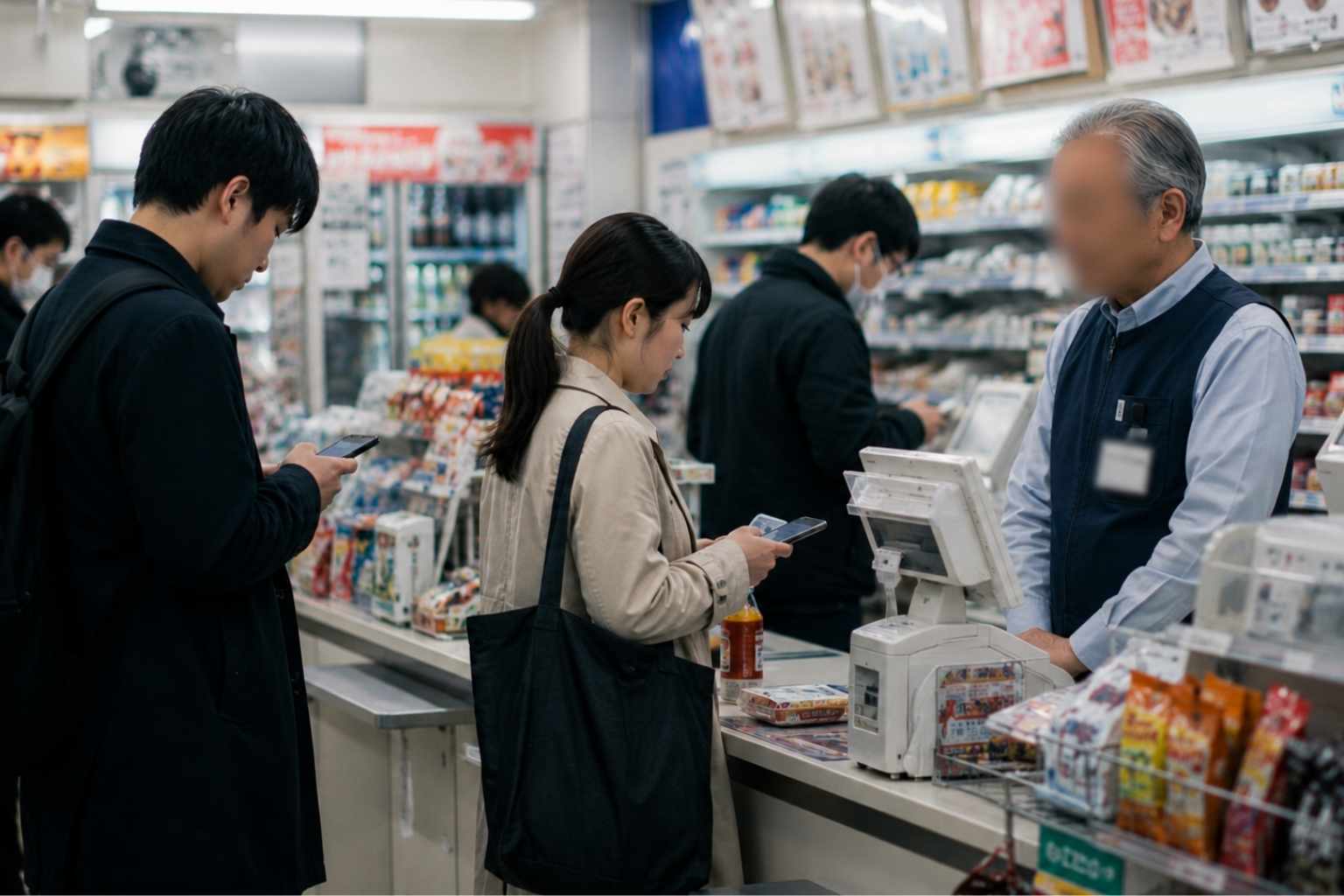
He spent forty years helping build one of Japan’s biggest electronics companies. Now he stands behind a plastic shield for eight hours, bowing at teenagers who never look up from their phones.
“My pension covers the rent,” he said. “But it doesn’t cover the fruit.”
That sentence says everything.
Why This Story Hits Hard
Retirement was supposed to mean the end of this kind of calculation.
Instead, for many older people in Japan, it now means another shift, another uniform, and another round of quiet compromise. The government calls it “active aging.” It raised the retirement age and told people to keep contributing.
But the emotional reality feels harder than the slogan.
Many elderly workers are not returning because they want a sense of purpose. They are returning because the numbers stopped making sense. Inflation keeps rising. The yen keeps weakening. And the promise of lifetime security has quietly expired.
That is why this story hits so hard.
It is not about ambition. It is about apples.
The Expectation vs Reality Shift
For years, Japan sold a model of stability that seemed almost untouchable. Work hard, contribute for decades, and retirement would mean dignity, not panic.
That was the expectation.
The reality now looks very different. Japan’s elderly are now the fastest-growing part of the gig economy. The image is painful because it cuts against everything retirement was supposed to represent.
A man who helped build a major company is now trying to buy basic groceries without checking his bank account first.
That is the shift.
Not from work to rest, but from one kind of labor to another, with less status, less energy, and far less room for error.
What Changed Mentally
The deeper wound here is not only financial.
It is psychological.
When older people are forced back into the workforce just to cover basics, the meaning of retirement changes. It stops feeling like earned peace and starts feeling like delayed instability.
A few truths stand out sharply:
- A pension that covers rent but not food is not real security
- “Active aging” sounds hollow when the work is driven by need
- Weak yen and inflation do not just hurt budgets; they shrink dignity
- A society can stay orderly while older people quietly lose their safety
[Weak Yen, Cheap Japan, Expensive Life]
The Hardest Lesson
The hardest part is that this is not only a Japan story.
London. Berlin. Sydney. Los Angeles. The same pattern is showing up across major cities: entire generations promised rest are now trading dignity for another paycheck.
That makes the Japan case feel even more unsettling.
Because Japan is often imagined as a place of structure, order, and long-term planning. If even here retirement is becoming another form of labor, then the problem is bigger than one policy failure or one weak year.
It is a deeper break in the social contract.
What Living in Japan Revealed
What this reveals about living in Japan is how neatly hardship can hide behind politeness.
The store is clean. The bow is polite. The system still looks functional. But behind that surface is a retired worker who does not want another government pamphlet about healthy aging.
He just wants to buy apples without financial anxiety.
That small wish feels devastating because it is so basic.
Not luxury. Not indulgence. Just apples.
What I Understand Now
The most painful truth here is that retirement is starting to feel less like a destination and more like a second job waiting to begin.
That changes how younger people look at the future. It changes how older people look at the past. And it changes what “security” is supposed to mean in a country that once built its identity around stability.
Japan is not alone in this.
But that does not make it less brutal.
[Why Living in Japan Has Felt Like the Loneliest Time of My Life]
Final Thought
The real crisis is not that older people are staying “active.”
It is that many no longer seem free to stop.
When a man gives forty years to one of Japan’s biggest companies and still ends up taking a convenience store job to cover groceries, the message is painfully clear: retirement is no longer guaranteed dignity. It is becoming another shift.
Question for readers: Is retirement still a dream anymore, or does it now feel like just another paycheck you have to chase?