
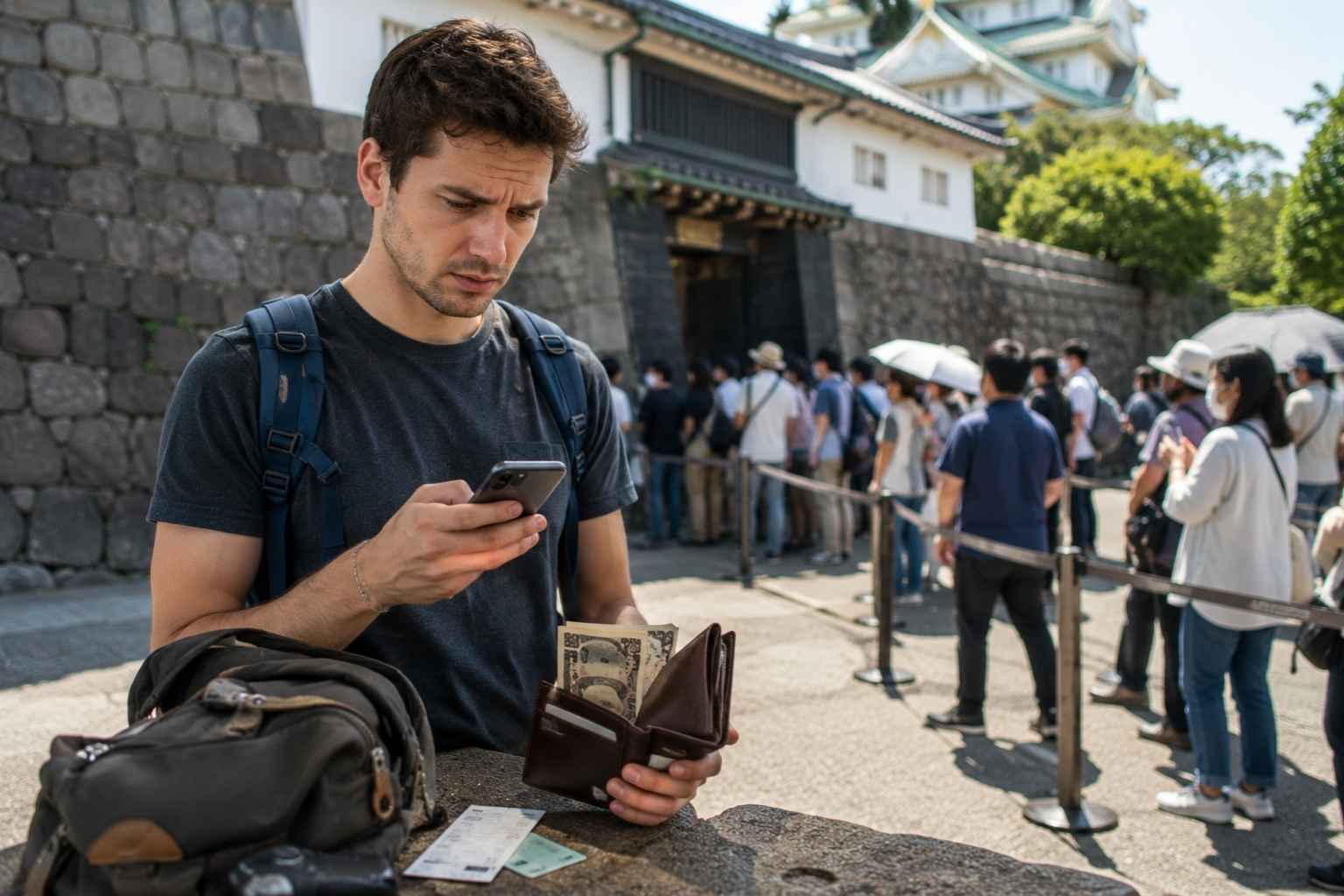
The cheap-Japan era is getting harder to rely on, and Japan dual pricing is now part of that shift. This affects budget travelers most, especially people planning 2026 trips around old assumptions about weak-yen bargains, cheap rail passes, and low-cost landmark entry. It matters now because Japan has moved from isolated price hikes to a broader pattern of higher visitor costs across tickets, transport, accommodation, and overtourism-heavy sites.
That is the gap many travelers are only noticing too late. Japan can still feel cheaper than some long-haul destinations in raw exchange-rate terms, but the weak yen no longer cancels out everything piling on top of it.
Japan Dual Pricing: What Happened
The clearest sign is Himeji Castle. According to the official site, adult admission changed on March 1, 2026 to ¥2,500, while Himeji residents pay ¥1,000, and visitors under 18 are free regardless of residence.
That does not mean every attraction in Japan now charges tourists more than locals. But it does mean dual pricing is no longer hypothetical. On April 27, 2026, the Japan Tourism Agency launched its first study-group meeting on tourism-facility and service pricing, and the transport minister said residence-based price differences are among the cases the group may analyze.
The politics behind that shift are also becoming clearer. In a July 2024 survey by Loyalty Marketing, 69.5% of respondents said they supported dual pricing for inbound visitors, up from 58.3% in the previous survey. That is only one survey, not a national referendum, but it shows how fast public tolerance for higher tourist-facing prices has moved.
Who This Affects
This hits hardest if your Japan plan depends on old “budget hack” logic. It is especially relevant for first-time visitors who still expect the JR Pass to be an automatic bargain, central-city hotels to stay relatively cheap, and major landmarks to have one simple price for everyone.
The biggest pressure points right now are practical:
- landmark entry that now includes resident vs. nonresident gaps at some sites, such as Himeji Castle
- climbing costs and booking controls at Mount Fuji, where the Yoshida Trail fee is ¥4,000 per person per trip and the daily cap is 4,000 climbers
- accommodation add-ons in Kyoto, where the city’s tax now ranges from ¥200 to ¥10,000 per person per night depending on room price
- transport math that changed sharply when the ordinary 7-day Japan Rail Pass rose from ¥29,650 to ¥50,000 in October 2023
Even without formal dual pricing, hotel costs have also climbed. Travel Voice, citing DMO Kyoto data, reported Kyoto’s average daily hotel rate hit a record ¥20,195 in 2024, up from ¥15,610 in 2019.
Why This Matters for Travelers
The bigger problem is not one fee. It is the stack.
A traveler who pays more for the rail pass, absorbs higher hotel rates, gets hit with Kyoto’s revised accommodation tax, then adds new or higher admission charges at major sites is no longer having the “cheap Japan” trip social media promised. The weak yen still helps at the margin, but the savings can disappear fast once those layers are combined.
This is also happening at a time when demand is still rising. JNTO says Japan received 36.87 million foreign visitors in 2024 and 42.68 million in 2025, both record highs, while the Tourism Nation Promotion Basic Plan says the government still aims for 60 million by 2030 but now frames that goal around balancing tourism growth with residents’ quality of life and overtourism controls.
That is why the old “don’t worry, Japan is cheap right now” advice is aging badly. The real story in 2026 is not that Japan suddenly became expensive everywhere. It is that more places now feel justified charging more when demand stays strong.
[Japan Two-Tier Pricing: What Foreign Residents Need to Know]
What To Know Before You Go
The safest way to avoid overpaying now is to stop thinking about “Japan prices” as one thing. The new cost spikes are concentrated in specific categories, and that means you need to check each one separately before you book.
Before your trip, do these five checks:
- Look up official entry fees for the exact landmark, not just an old blog post or reel. Himeji already has live resident/nonresident pricing.
- Do the rail math manually. A 7-day JR Pass is now ¥50,000, so many itineraries make more sense with individual tickets or regional passes instead.
- Budget the local taxes. In Kyoto, the room tax alone can now reach ¥10,000 per person per night at the top end.
- Treat Mount Fuji like a controlled booking, not a casual day trip. The Yoshida Trail has a fee, a gate-closing time, and a daily cap.
- Assume that “English menu trap” talk is less documented than site-based pricing. What is clearly confirmed right now is official resident/nonresident pricing at some attractions and broader cost increases in transport and accommodation, not a nationwide rule that English-language ordering automatically costs more.
That last point matters. The smartest budget move in 2026 is not paranoia. It is checking official pages before assuming a viral tip is still true.
Official Note
According to official sources, Himeji Castle now uses a resident/nonresident price gap for adults, Kyoto’s accommodation tax changed from March 2026, Mount Fuji’s Yoshida Trail requires a ¥4,000 hiking fee with capacity controls, and the Japan Tourism Agency has begun formal analysis of tourism pricing models that can include residence-based differences. Travelers should verify current fees directly on official booking or facility pages before making plans.
[Japan Convenience Store Budget Trap: Why Small Buys Add Up Fast]
Japan can still reward careful budget travelers. But the easy version of that game is ending, and the people who still plan like it is 2019 are the ones most likely to feel burned.
Question for readers: If Japan keeps expanding dual pricing and higher tourist-facing fees, would that change how often you visit?