
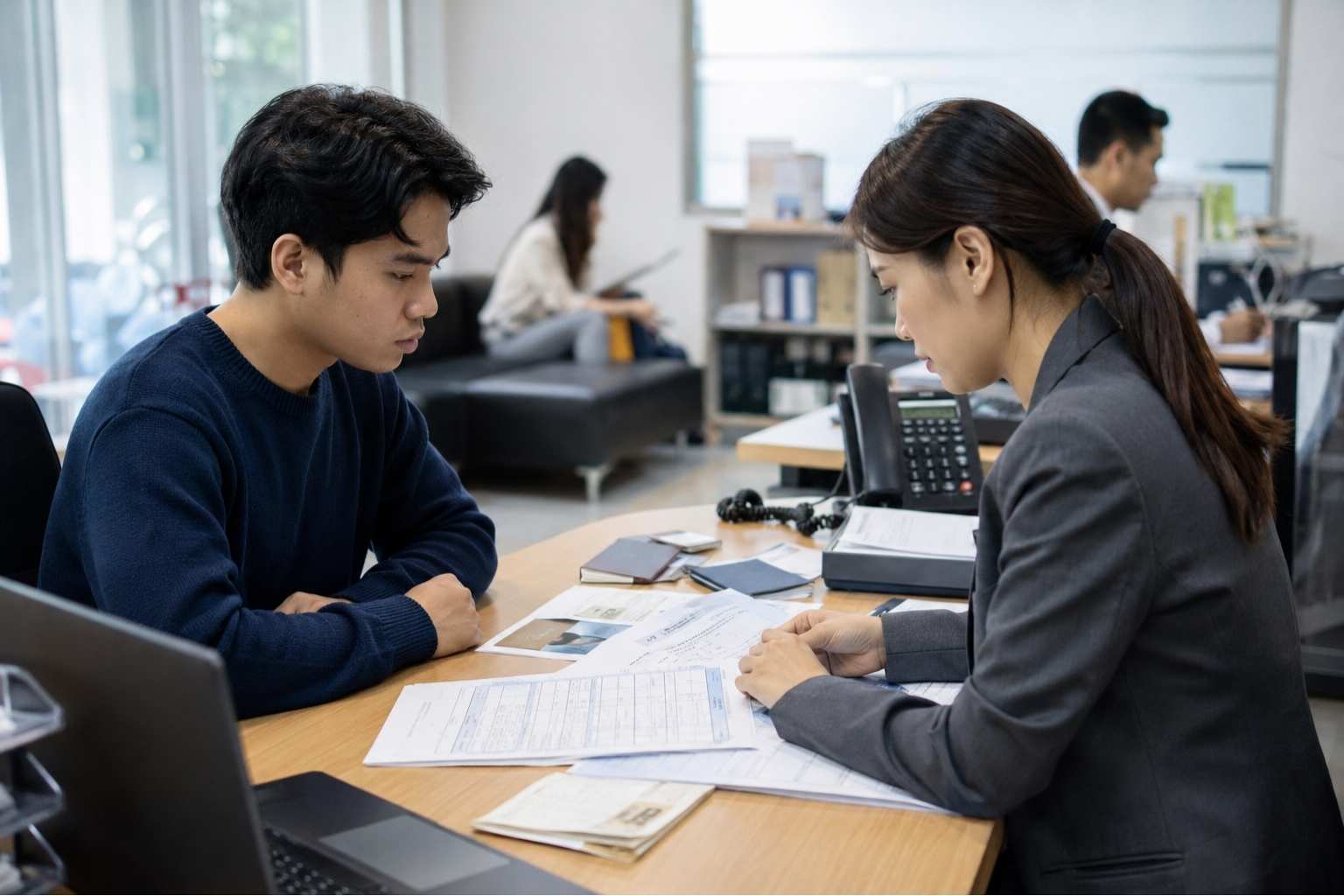
The 28-hour cap is not new.
But the pressure around it is getting much harder to ignore.
The Japan 28-hour work rule is under renewed scrutiny, and students or dependents who work beyond permitted limits risk being treated as illegal workers under Japan’s immigration framework. That affects student visa holders, dependent visa holders with permission to work part time, and the employers hiring them. It matters now because recent reports say schools will be asked to check students’ employment status more closely, while official guidance already treats over-limit work as illegal employment and punishes employers who facilitate it.
According to official Immigration Services Agency guidance, students with permission to engage in activities outside their status may generally work only up to 28 hours a week, and up to 8 hours a day during long school vacations. Separate official guidance also shows that the weekly cap must stay within 28 hours no matter which day you start counting the week from, which makes “averaging it out later” a dangerous assumption.
Japan 28-Hour Work Rule: What Changed
The number itself has not changed. What appears to be changing is the enforcement mood around it, especially as recent reporting says Japanese language schools will be asked to ascertain students’ employment status and authorities step up action against unauthorized work hidden behind student status.
Official Ministry of Justice materials are already blunt on the underlying legal risk. MOJ pamphlets list “students working beyond the permitted number of hours” as an example of illegal employment, and they say people who make or arrange illegal employment can face up to three years in prison, a fine of up to ¥3 million, or both.
That is why this is bigger than a simple overtime issue. Once a student or dependent crosses the permitted scope of work, the problem can stop looking like ordinary part-time scheduling and start looking like an immigration violation with consequences for later applications, renewals, or more serious procedures.
Who Is Affected
This hits more than one visa group. It directly affects student status holders with part-time work permission, and it also matters for people on dependent status who have obtained permission to engage in activities outside their original status, usually within the same 28-hour framework.
In practical terms, the people most exposed are:
- student visa holders relying on part-time income
- dependent visa holders with permission to work
- people combining two or more part-time jobs
- language schools and other institutions monitoring attendance and compliance
- employers in retail, restaurants, logistics, factories, and convenience-store style shift work
Official materials make clear that these are not only worker-side risks. Employers who hire people outside their permitted scope, or who ignore over-limit work, can also face criminal exposure under the illegal-employment framework.
Old Rule vs New Rule
Old rule:
- the 28-hour weekly cap already existed
- students could work up to 8 hours a day during long school vacations
- dependents needed separate permission before doing part-time work
- employer penalties for illegal employment were already on the books
New reality:
- the legal cap is unchanged, but tolerance appears lower
- recent reports say schools will be asked to ascertain students’ employment status
- over-limit work is being discussed more openly as an illegal-employment issue
- broader digital administration is expanding as Japan rolls out the optional integrated “Specified Residence Card” system from June 14, 2026
Official sources are clearer on the limit and the penalties than on any supposed automatic “29-hour” trigger. But they are clear that work outside the permitted scope is illegal, and that the wider residence-management system is becoming more data-linked and administratively tighter.
What Applicants Should Know Now
The first step is basic but critical: confirm that you actually have permission to work. A student or dependent without permission is already in trouble before the hours question even starts.
The second step is to count all jobs together, not separately. The official rule does not care whether the hours came from one employer or two, and official guidance specifically says the 28-hour limit has to hold no matter which day the week is measured from.
A practical checklist now looks like this:
- keep clear records of all shifts across all jobs
- do not assume a second employer makes extra hours invisible
- remember that long vacations change the daily rule for students, not the overall legal risk
- make sure dependents have proper permission before taking any paid work
- do not rely on verbal reassurance from a boss that “it will be fine”
Official sources reviewed for this article do not publicly lay out an instant payroll-to-immigration formula that automatically rejects someone the moment they hit 29 hours. But they do make the core risk very clear: once records, school checks, employer reports, or application documents show work outside the permitted scope, the case can become an illegal-employment problem fast.
Official Note
According to official Ministry of Justice and Immigration Services Agency guidance, students with permission may generally work only up to 28 hours a week, students working beyond their permitted hours are explicitly listed as an illegal-employment example, and people who facilitate illegal employment can face up to three years in prison or fines of up to ¥3 million. Official sources also confirm that Japan’s new integrated residence-card system begins in June 2026, although that integrated card itself is optional rather than mandatory. Recent media reports add that language schools will be asked to ascertain students’ employment status more closely.
For many residents, that means the real danger is no longer assuming the 28-hour rule is only a technicality. The rule was already there. What is changing now is the chance that schools, employers, and immigration compliance systems may treat it like the serious status issue it has always been.
Information in this article is based on reports and official guidelines available at the time of publication and is for general informational purposes only. Japanese policies, prices, and event details change frequently. Always verify directly with official sources or licensed professionals before making travel, financial, or legal decisions.
Question for readers: Do you see this as overdue enforcement of a rule that was always clear — or a crackdown that could hit struggling students and dependent families the hardest?