
A sharp new comparison is putting Japan at the center of a wider Western security argument.
It affects Europe, Japan, and U.S. allies now being judged on how seriously they are willing to rearm.
The Takaichi Japan model debate is growing after McCain Institute Executive Director and former Pentagon official Evelyn Farkas wrote in a March 11 op-ed that Europe should follow Japan’s lead in the changing global order. It affects European policymakers, NATO allies, and Japan watchers because the argument presents Tokyo as a more disciplined example of alliance burden-sharing. It matters now because Japan is being held up as a template for defense expansion, tougher security planning, and less willingness to hedge with authoritarian rivals.
Japan’s credentials in that comparison are not theoretical. Sanae Takaichi became prime minister in October 2025, her government approved a record fiscal 2026 defense budget of more than ¥9 trillion, and officials have since pressed ahead with a broader security overhaul.
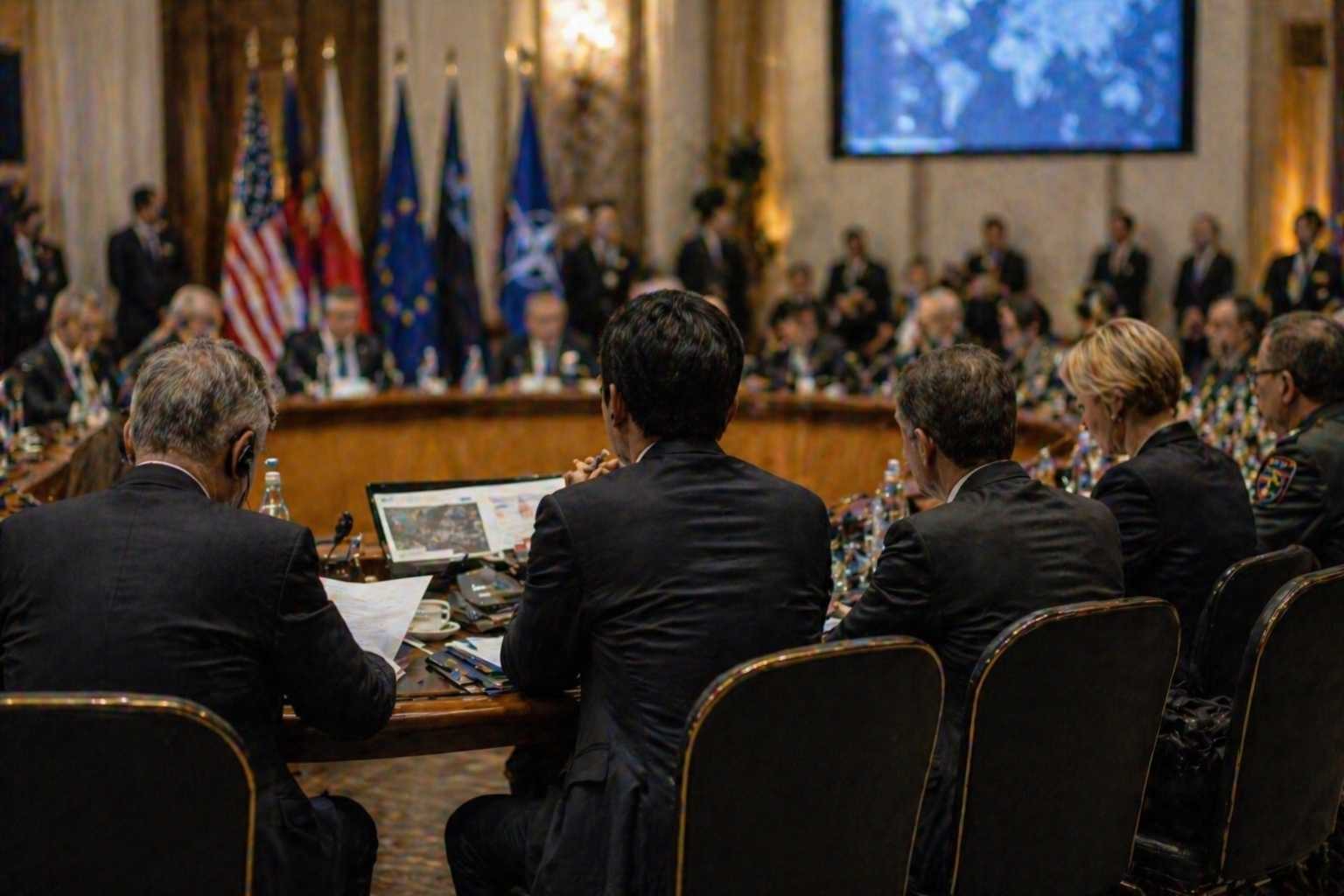
[Featured image: tense international security conference scene with diplomats and advisers in discussion]
What Happened
According to the McCain Institute’s summary of the Hill piece, Farkas argued that Japan offers a “sober-minded” and values-based model for allies dealing with a harsher geopolitical environment. Her core point was that Tokyo is strengthening its alliance posture without compromising with adversaries.
That message landed at a time when Japan is already moving fast. Reuters and other outlets have reported record defense spending, a push to strengthen information capabilities, and a major overhaul of arms export rules that now allows wider exports of military equipment such as warships and missiles.
Who Is Affected
Europe is the most obvious target of the comparison. The op-ed challenges governments that are already under U.S. pressure to spend more and act faster on security.
Japan is also affected because it is no longer being discussed only as a regional ally. It is increasingly being framed as a benchmark for how a U.S. partner should behave in a more conditional alliance environment.
Why the Takaichi Japan model matters
The comparison is provocative because it simplifies a much more complicated European reality. Reuters reported in February that European defense spending had already risen nearly 80% since before Russia’s full-scale invasion of Ukraine, even as leaders in Munich debated how much more independence from Washington they now need.
Still, the Takaichi Japan model resonates because Tokyo is clearly shifting. Takaichi has made stronger intelligence functions part of her agenda, and Japanese media report she is also keen to move early on constitutional amendment, a long-sensitive issue tied to Article 9.
[Japan Warns of Higher Risk After Powerful Offshore Quake]
What To Know Now
This is not an official U.S. directive. It is an opinion piece, but one that reflects a broader line in Washington that alliances should look more like partnerships and less like dependency.
That is why the reaction matters. The argument is no longer only about Japan’s own security choices. It is about whether Tokyo is becoming a model other U.S. allies will be pushed to match.
Official Note
According to the McCain Institute, Evelyn Farkas’s March 11 op-ed in The Hill argued that Europe should follow Japan’s lead in the changing global order. According to official and media reporting, Japan under Prime Minister Sanae Takaichi has paired that image with record defense spending, stronger security planning, and looser arms export rules.
[In Japan, School Lunch Is Also a Daily Lesson in Responsibility]
Japan is no longer being discussed only as a frontline Asian ally. It is increasingly being used as a test case for what the West expects from its partners.
Question for readers: Is Japan becoming the model other allies should follow, or is this a path many democracies will be uncomfortable copying?