
Japan says the falling birth rate is a national crisis.
Many women still feel pregnancy could cost them their job, their status, or their identity.
This article is about maternity harassment in Japan and why pregnancy can still feel more dangerous than joyful for working women. It will resonate with anyone trying to understand why calls for more births mean little if workplaces still punish motherhood. It matters because a country cannot ask women to save the future while making pregnancy feel like a professional threat.
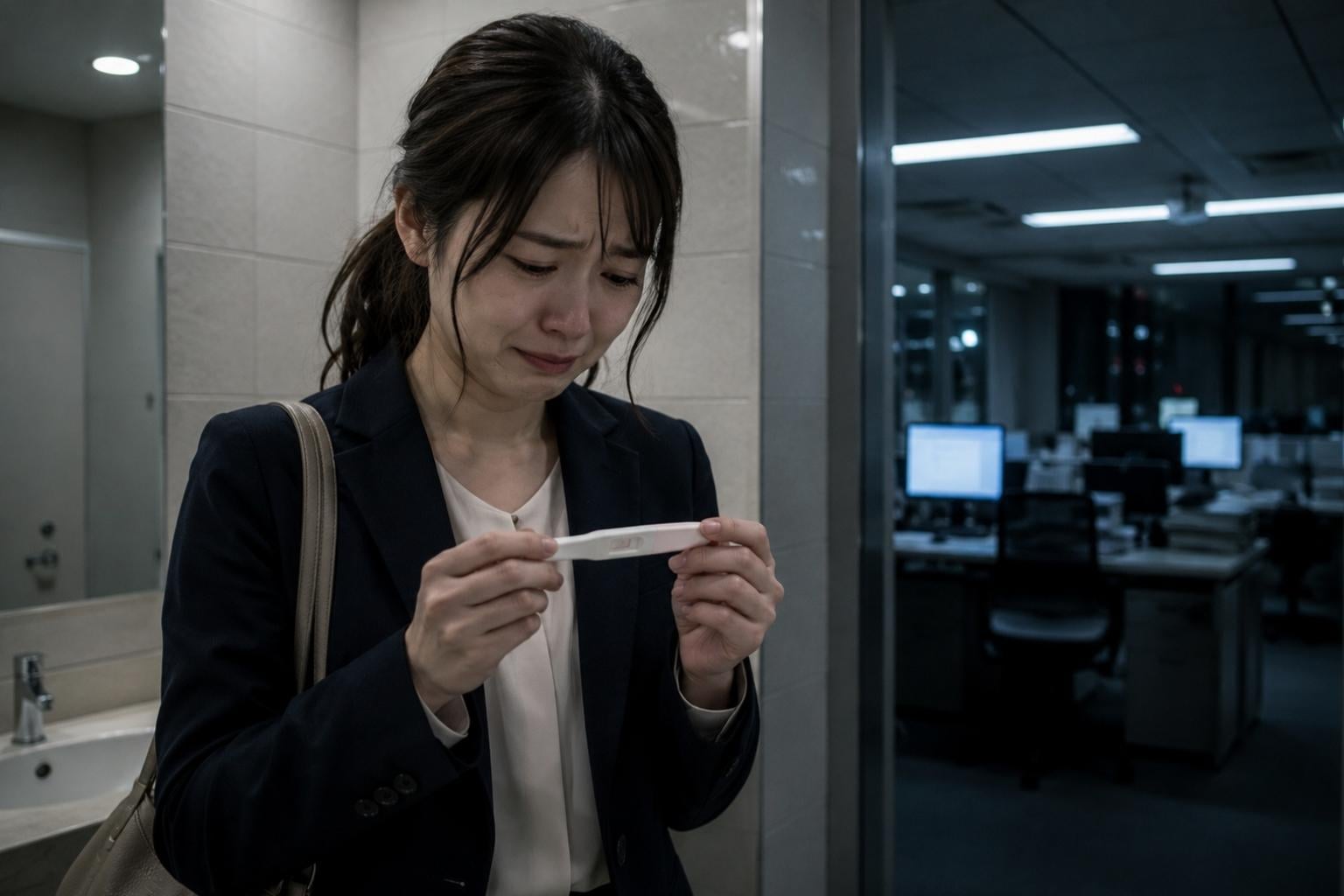
The 29-year-old teacher in Tokyo stared at a positive pregnancy test and started crying in silence.
Not because she was unhappy.
Because her first thought was her boss.
Last week, one of her coworkers was quietly moved to a windowless basement office after her pregnancy started showing. Japan has a word for this: mata-hara, or maternity harassment.
That word exists for a reason.
Why This Story Hits Hard
The cruelty of this issue is not subtle.
Japan’s leaders keep describing the falling birth rate as a national crisis. They talk about children, families, and the future. They ask women to do something socially vital.
But many workplaces still treat pregnancy like betrayal.
Like inconvenience. Like disloyalty. Like a disruption to the flow of work that must be managed, hidden, or quietly punished. That contradiction is what makes this story hit so hard.
A country cannot beg people to have children while punishing them for becoming parents.
The Expectation vs Reality Shift
From the outside, the message sounds simple: family matters.
In reality, the burden still lands on women in a very familiar way. They are expected to carry the future, but also expected not to become inconvenient while doing it. They are praised in speeches and penalized in offices.
That is the expectation-versus-reality gap underneath this story.
The problem is not only policy. It is atmosphere. A woman does not need to be fired outright to understand what is being communicated. A reassignment. A colder tone. A sudden drop in visibility. A quiet move to a basement office. The message arrives clearly enough.
You can become a mother.
But do not expect the system to make room for the rest of who you are.
What Changed Mentally
That is where the damage becomes deeper than employment.
Once pregnancy starts feeling professionally risky, women are not just making family choices. They are making identity choices under pressure. They are being pushed to ask questions they should never have to ask in the first place.
Can I keep my place at work?
Will I still be seen as reliable?
Will motherhood erase the version of me I worked to build?
A few truths sit under all of this:
- A workplace can say “family matters” while punishing pregnancy in practice
- Fear of harassment changes decisions long before a child is born
- Motherhood still gets treated like a personal burden instead of a social necessity
- Women are still being asked to absorb the cost of the next generation alone
[The Polite Rejection of Friendship in Japan]
The Hardest Lesson
The hardest lesson is that this is not only a Japan problem.
Seoul. Singapore. New York. Milan.
Different countries, same contradiction: governments say family matters while economies keep making parenthood feel impossible, especially for women trying to keep hold of a career, income, and identity at the same time.
That is why this story feels bigger than one office or one teacher. It points to a wider failure. Modern societies keep saying they want children while quietly organizing work around the assumption that serious workers should act as if caregiving does not exist.
That is not a private issue.
That is structural dishonesty.
What Living in Japan Revealed
What this reveals about living in Japan is how neatly pressure can hide behind order.
The workplace may still look calm. The language may still stay polite. The policy language may still sound supportive. But underneath that surface, many women still understand that pregnancy can change how they are treated overnight.
That is what makes mata-hara so corrosive.
It does not only punish mothers. It teaches other women to stay afraid.
What I Understand Now
The teacher in Tokyo said she wants to become a mother.
She just does not want motherhood to erase the rest of who she is.
That may be the sharpest line in this story. Women are still being asked to sacrifice far more than men to make family life possible. Not just time, but professional safety, identity, and future earning power.
And as long as that remains true, speeches about the birth rate will keep sounding hollow.
[Tokyo Ranked #5 Happiest City in the World. Many Are Not Buying It.]
Final Thought
The real crisis is not only that fewer children are being born.
It is that too many women still believe pregnancy could destroy the life they have built.
Until that fear changes, the message from society will stay brutally mixed: have children for the future, but be ready to carry the punishment alone.
Question for readers: Why are women still being asked to sacrifice so much of themselves just to raise the next generation?