
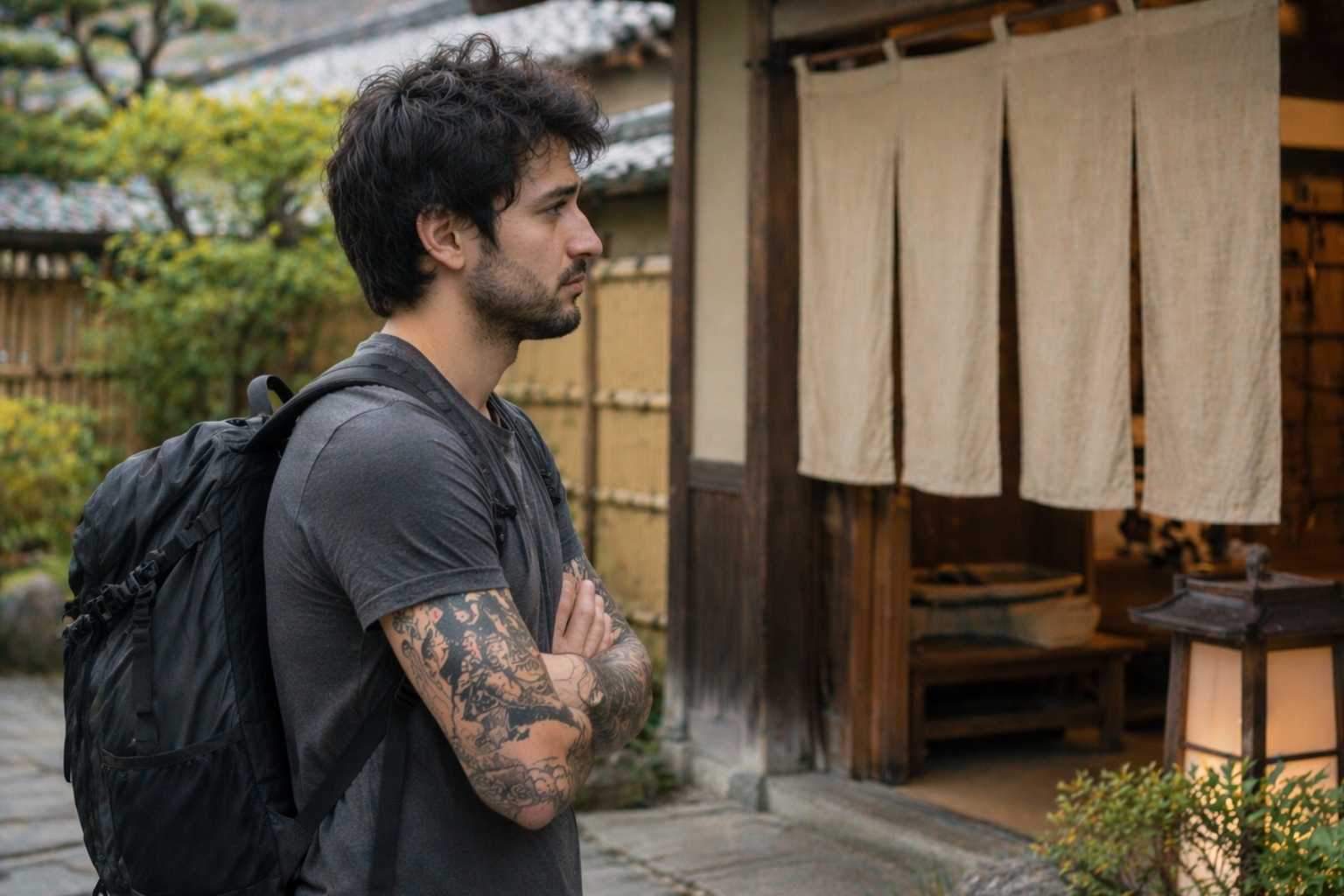
Japan can look tattoo-friendly online.
At the door, many visitors learn some places still say no.
For many first-time visitors, tattoos in Japan onsen culture stop feeling like an online debate and start becoming a real travel problem the moment they arrive. It affects tattooed travelers planning to use onsens, pools, or gyms, including people with small tattoos. It matters now because many tourists still assume body art will not affect basic travel plans, then find out too late that some doors can close fast.
That is the real shock behind the issue. You can book the hotel, plan the bath visit, find the gym, and show up excited, only to get turned away over something you did not think would matter on vacation.
Tattoos in Japan Onsen Rules: What Happened
Reportedly, many onsens in Japan still ban tattoos, and some gyms and pools do too. Small tattoos can still cause problems, and cover-up stickers often do not help much.
For many locals and operators, tattoos are still tied to older images of crime, strict house rules, and public discomfort rather than personal style. For many tourists, that feels outdated, especially when the country can look far more open-minded online than it does at the entrance to a bath or fitness facility.
Who This Affects
This hits hardest for travelers who plan trips around relaxation and wellness. It can also affect people who assume a small tattoo will be ignored.
Common situations where this becomes a problem include:
- Onsen visits at hotels, ryokan, or day-use bath facilities
- Public pools that enforce tattoo restrictions
- Gyms or fitness centers with strict entry rules
- Travelers with small or easily visible tattoos
- Visitors relying on cover-up stickers and hoping that will be enough
Why This Matters for Travelers
The problem is not just the rule itself. It is how late many people discover it.
A tattoo does not usually feel like a travel restriction when you are planning flights, rooms, and sightseeing. But in practice, it can change where you stay, what facilities you use, and whether part of the trip you paid for is even available. That is why tattoos in Japan onsen planning should happen before booking, not after arrival.
For some visitors, this feels like protecting tradition. For others, it feels like an invisible barrier that punishes ordinary travelers over body art.
What To Know Before You Go
If you have tattoos and are visiting Japan, it is safer to assume nothing until you check.
A few simple steps can help avoid awkward surprises:
- Check the tattoo policy before booking an onsen, hotel spa, pool, or gym
- Do not assume small tattoos will be overlooked
- Do not assume cover-up stickers will solve the issue
- Have a backup plan if a place refuses entry
- Treat each facility separately, because one place may allow what another bans
Even when a place looks tourist-friendly online, the actual rule at the door can be very different. That gap is what catches many first-time visitors off guard.
Official Note
Reportedly, tattoo rules still vary by facility, and travelers should treat this as general planning guidance rather than assume one rule applies everywhere. The safest move is to confirm directly before you go, especially if an onsen, pool, or gym is part of the trip.
Japan remains an incredible place to visit, but tattooed travelers often need more planning than they expect. In some parts of the trip, the hardest part is not finding the destination — it is finding out whether you will be allowed in.
Question for readers: Is Japan right to keep these tattoo rules in some places, or should they already be gone?